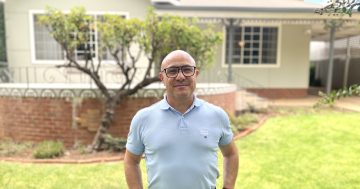
Dr Diaswati (Asti) Mardiasmo, Chief Economist, PRD Real Estate. Dr Mardiasmo travelled from Sydney to headline PRD Wagga’s Investor Seminar 2026. Photo: Ash Smith.
Wagga, Griffith and Leeton property prices are continuing to surge despite growing talk of a property crash and falling prices in Sydney.
Warnings of a housing downturn have dominated national property coverage, with higher interest rates, stretched household budgets and changes to federal tax incentives for property investors all fuelling concerns the boom could be coming to an end.
But the Riverina is not following the script, according to PRD Real Estate Chief Economist Dr Diaswati (Asti) Mardiasmo, who visited Wagga last week.
“The Wagga market is still definitely growing, despite rumours of a property downturn or crash,” Dr Mardiasmo said.
“We are seeing a slight decline in the Sydney market, by 2.5 per cent, but Wagga is bucking that trend. It grew by 8.8 per cent in the last 12 months.”
Griffith’s average property prices have risen by 7 per cent, while Leeton has recorded a 17 per cent surge.
Dr Mardiasmo said surrounding Riverina towns were also recording strong growth, generally between 6 and 10 per cent a year.
She said the region’s comparatively affordable property prices and strong rental returns were making it increasingly attractive to investors priced out of Sydney and other capital cities.
“Wagga is still more attractive to investors, despite the Federal Budget changes which might have made them more cautious,” she said.
“A unit in Wagga returns a much higher rental yield. It’s returning 5.9 per cent, compared to 3.5 to 3.9 per cent in Sydney.
“So you’ve got a more affordable entry price – half of that in Sydney – and a better rental income return.”
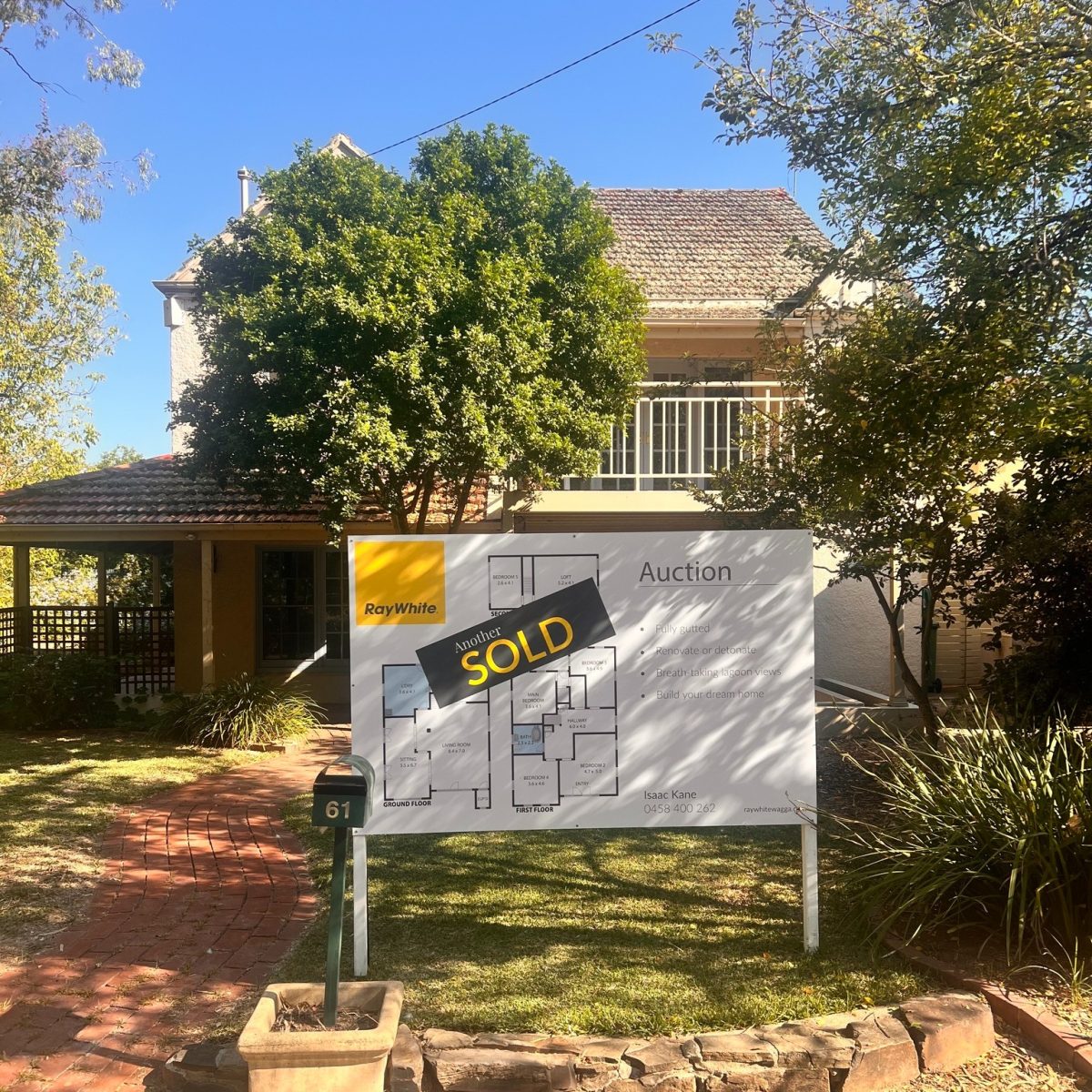
The average price of a Wagga house is now over $700,000. Photo: Ray White Wagga.
The Federal Budget changes she was referring to include measures affecting property investors, including tighter rules around negative gearing and capital gains tax concessions, which have been the subject of debate about whether they will reduce investor demand.
But Dr Mardiasmo said the fundamentals of the Riverina market remained strong.
Vacancy rates in both Wagga and Griffith are below one per cent, reflecting an extreme shortage of rental properties.
The shortage has also become increasingly linked to Wagga’s homelessness crisis, with people struggling to find a rental property being pushed into temporary accommodation, sleeping rough or relying on homelessness services.
Dr Mardiasmo said the lack of available housing was ultimately being driven by a failure to build enough new homes quickly enough.
“There’s just not enough houses being built. It’s taking too long for vacant land to turn into property,” she said.
“We really need to cut the red tape and look at new ways to build on vacant lots – like group homes, tiny homes and modular homes that allow you to build quicker at a lesser cost.”
She said government charges, import costs and other expenses associated with new forms of construction were also making it harder to deliver affordable housing.
She called for NSW Government reform to make it easier and cheaper to build new homes.
The ongoing price growth means young families are also facing an increasingly difficult battle to enter the market.
Dr Mardiasmo acknowledged it was now challenging for first-home buyers, with property prices in many parts of the Riverina having effectively doubled over the past decade.
But she expects the region’s growth to continue.
“If you wait longer, the price is going to keep going up,” she said.