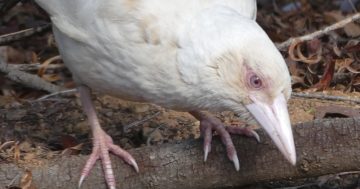
Wagga’s magpies have become territorial much earlier than usual this year. Photo: Wikimedia Commons.
Boorooma resident Lachie Johns, 11, is living in fear.
“There’s a magpie on one side of my house and a plover on the other … it’s only July but they’re both swooping,” he said.
“I can’t walk or ride my bike to my friend’s house; I’ll get attacked. It’s terrifying. I get my Dad to drive me.”
Lachie has been swooped since he was a toddler. But in previous years, the terror wouldn’t begin until spring.
So why has it started in the middle of winter?
Dr Melanie Massaro, Associate Professor in Ecology and Ornithology at Charles Sturt University, says there’s a simple two-word answer: climate change.
“Swooping is related to the onset of breeding,” she said.
“That’s when hormone levels go up and testosterone rises, and they get territorial. Magpies swoop when they have eggs and when they hatch.
“Breeding is timed according to when it’s most suitable to have offspring – when they can find the most food, such as insects, they’ll breed.”

Lachie Johns is confused about why magpies are swooping in winter. Photo: Supplied.
Food isn’t plentiful when it’s cold, but according to Bureau of Meteorology data, Wagga has had a relatively mild start to winter.
The average daily maximum temperature in June was 15.8 degrees, more than two degrees higher than June 2025.
Dr Massaro said warmer winter temperatures were contributing to birds breeding earlier.
“Now winter temperatures are higher, the breeding and swooping season just gets earlier,” she said.
“As climate change continues, species shift to a more opportunistic nesting behaviour.
“I have magpies in my garden that had chicks very early and then had enough time to breed again later in the season.”
As climate change continues, Dr Massaro said the days of having to survive just two months of swooping in spring could be coming to an end.
“The magpie breeding season is no longer synchronised; you’ll now have them swooping at different times,” she said.

A plover nesting near Lachie’s house in winter. Photo: Supplied.
So what advice does Dr Massaro have for Lachie, who’s now afraid to get on his bike?
“There’s not much you can do, other than stay out of their territory,” she said.
“You can also carry a stick as they generally go for the highest point.
“Magpies are very smart and can recognise some people who they swoop and those they don’t. They’ll remember someone who is aggressive to them and keep swooping. The ones in my garden know I don’t do anything to them so never swoop me.”
Lachie has his own advice for victims too: “Just stay away from them and try not to look too intimidating.”

‘Whitie’ the blonde magpie has not been seen for months. Photo: Supplied.
Dr Massaro previously provided insight on a mystery albino magpie seen around the northern suburbs in 2025. But residents say ‘Whitie’ hasn’t been spotted for at least six months.
“If it’s a female it’s probably moved on to find a mate,” Dr Massaro said.
“While magpies are generally monogamous, that doesn’t mean the female might not try and shag her neighbour. In that respect, they’re similar to humans.”