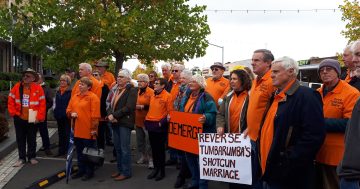
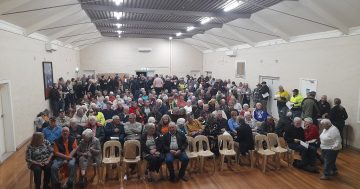
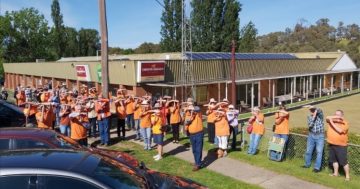
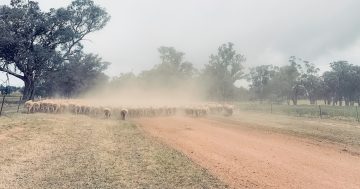
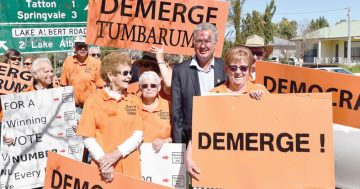
Snowy Valleys farmers are among those questioning the NSW land valuation system ahead of a public meeting in Tumut this Thursday. Photo: visitsnowyvalleys Facebook.
The CEO of NSW’s land valuation authority will front a public meeting in Tumut this Thursday (19 March) to explain why pine plantation land in the Snowy Valleys can be valued at up to 80-90 per cent less than neighbouring farmland – a disparity that has been driving rates resentment across the region for years.
Stewart McLachlan, head of the NSW Valuer General’s office, will address Snowy Valleys Council’s March ordinary meeting, fielding questions from councillors and the public about how land values are calculated and what landholders can do if they believe their assessment is wrong.
Mayor Julia Ham said the visit followed a significant volume of correspondence from ratepayers concerned about inconsistencies in valuations, particularly the disparity between what plantation forestry operators and farmers paid in rates on comparable land.
“To help address community questions, we invited the CEO of the Valuer General’s office to speak directly with councillors and the public about how the system works and what options are available for people who wish to raise concerns,” Cr Ham said.
The gap stems from the structure of NSW’s valuation framework, which assesses land value alone – excluding buildings, infrastructure and certain improvements – and applies different concessions depending on land use.
“In relation to pine plantations, valuations can come out very different to neighbouring farm valuations in the NSW land valuation system, for a few structural reasons, which is a concern for landowners adjacent to plantations,” Cr Ham said.
The result, many farmers argue, is a system that consistently favours large forestry interests over family farms.
Adding to the frustration, some landholders say declining property prices across parts of the district aren’t being captured in their statutory valuations – a problem with direct financial consequences for farming businesses already under pressure.
It’s not a new complaint.
A NSW parliamentary committee examining the system in 2013 found it had systemic issues around fairness and transparency, and warned that valuation volatility risked creating what it called a “council rate lottery for landholders”.
The committee recommended abolishing the Valuer General’s office entirely.
More than a decade later, the essential grievances remain – as Blue Mountains Council found in 2023, when a quarter of its residents faced higher rates bills following revised valuations and the council went public with its own complaints about the system’s fairness.
Mayor Ham has been careful to stress that while council collects rates, it has no hand in setting land values – that power rests entirely with the state.
Council has nonetheless pushed for action, previously resolving to write to Albury MP Justin Clancy seeking an urgent delegation with the Valuer General, and involving NSW Planning Minister Paul Scully over the broader policy implications.
Cr Ham said Mr McLachlan would not discuss individual valuations at Thursday’s meeting due to privacy and statutory requirements, but would outline the formal objection and review pathways available to landholders.
Residents who believe their assessment is wrong can lodge an objection through the NSW Valuation and Objection Portal.
The deadline for Snowy Valleys residents has been extended to 26 March.
The March ordinary council meeting is set down for Thursday 19 March from 3 pm at the Council Chambers in Tumut, with a video link also available.
Original Article published by Edwina Mason on About Regional.