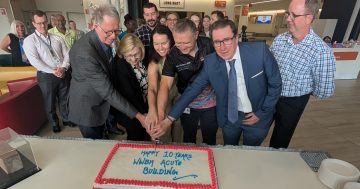
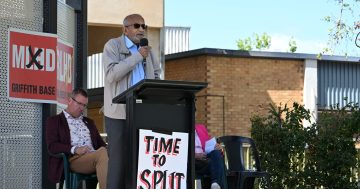
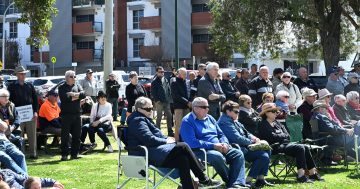
The new hospital has been slowly getting more services. Photo: Supplied.
An Emergency Department Short Stay Unit (EDSSU) has finally opened at Griffith Base Hospital, more than a year after community advocates and medical staff began pushing for the service to be activated.
The unit provides short-term care and observation for emergency patients who require monitoring, assessment or treatment, usually for between four and 24 hours.
Short stay units are common in larger hospitals and are designed to ease pressure on emergency departments by moving patients who do not need admission to a ward, but are not yet ready to go home. Typical cases include minor head injuries, infections, asthma, allergic reactions, renal colic and patients requiring further observation or investigation.
Until now, Griffith’s new hospital had been operating without the eight-bed step-down unit despite the facility opening last year, forcing patients to remain in standard emergency beds and contributing to bottlenecks and longer waiting times.
Health advocate Brendan Catanzariti said the opening was welcome but overdue.
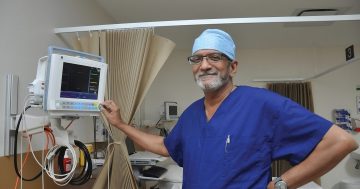
“It’s great it’s open, but it’s only happened due to the relentless lobbying and advocacy of Dr Narayanan Jayachandran, the Medical Staff Council and our local MP Helen Dalton,” he said.
“The community is told that Griffith has this amazing health system, but don’t realise we have to fight every day to obtain and retain basic services like this. These services should be part of every hospital.”
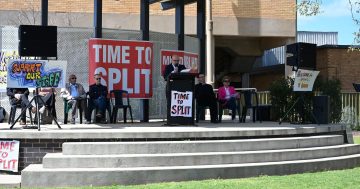
The EDSSU opening comes amid broader criticism of the Murrumbidgee Local Health District (MLHD). At a recent NSW parliamentary inquiry examining a proposal to split Griffith and western Riverina communities from the MLHD, senior doctors claimed specialists willing to work at Griffith Base Hospital had been blocked from joining the workforce because positions were not created.
Veteran surgeon Dr Narayanan Jayachandran told the inquiry the battle for services stretched back decades, while surgeon Dr Warren Hargreaves claimed specialists, including a gastroenterologist and geriatrician, had approached Griffith seeking work but were told no positions existed.
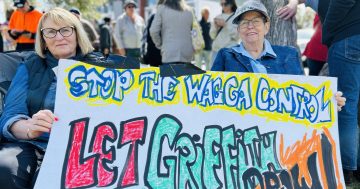
The MLHD declined to respond to these claims, which added fuel to a growing campaign to establish a separate western health district, with a petition seeking a parliamentary debate nearing 10,000 signatures.
Mr Catanzariti said the delayed short stay unit reflected wider frustrations about health service delivery in Griffith.
“The short stay unit isn’t fully staffed as yet and they still haven’t opened the rehab ward, which we were promised last year,” he said.
“That means a lot of people are stuck in Wagga after major operations, away from their families.”
Critics also point to continuing gaps in emergency orthopaedics and specialist services as evidence the new $250 million-plus hospital building has not yet been matched by staffing and service delivery.
“This new Emergency Department Short Stay Unit is another important step forward for healthcare in Griffith and across the western Riverina,” Ms Dalton said.
“I’ve spent years fighting for better health services in the bush because country families deserve timely, high-quality care close to home.
“This is a very proud moment for Griffith.”
NSW Health Minister Ryan Park praised the MLHD for delivering the next stage of service expansion at the hospital.
However, Mr Catanzariti argued the administrative structure itself had contributed to the delays.
“MLHD is the reason it took so long to finally get a short stay unit established,” he said.
He said many in Griffith believed health decisions were too often made in Wagga and did not adequately reflect the needs of western Riverina communities.