

This hand-drawn Wagga map was produced by VG Lynch in 1922 to mark the numbering of the town’s buildings and the switching on of the first electric light. Photo: The State Library of NSW.
This splendid, hand-drawn map of the “North and South Towns of Wagga Wagga” was produced by local draftsman VG Lynch in 1922 to celebrate two milestones in the evolution of the Riverina’s unofficial capital. The numbering of the buildings in Wagga and the switching on of the first electric light.
The map served as a beautiful souvenir for the official opening of the electric light system, complete with local trivia and information, and a handy reference for locals adjusting to the new numbering system.
Before 1922 the commercial and residential buildings of Wagga were referred to broadly by street, location and the name of the proprietor. But even then, there were few signs indicating the names of the streets themselves, leaving visitors and some locals scratching their heads.
“For years past there have been attempts made by the Wagga Municipal Council to have the houses in the various streets of Wagga numbered, and it appears that at last it is to be done,” reported The Daily Advertiser in January 1922.
“The finance committee made the following recommendation at the meeting of the council last night, which was adopted: That the plan prepared by V. G. Lynch be adopted.”
It was to be a lucrative venture for the second-generation Wagga draftsman who was paid £25 for his work and commissioned to supply and install the compulsory white, oval number plates to hundreds of ratepayers across the town.
“Mr Lynch initiated the scheme because he realised the inconvenience townspeople suffered through the non-numbering of houses,” the Advertiser explained in March 1922.
“The numbering will include all the streets in the town, and will be from south to north, and east to west.
“In the former streets odd numbers will be placed on the east side and even on the west, while in the latter streets the odd numbers will be on the north side, even numbers being placed on the south.”

Detail of VG Lynch’s souvenir map. Photo: The State Library of NSW.
With the town now properly numbered, the next big infrastructure rollout was the electric lighting system that would replace the gas lighting that had illuminated the city since 1881.
Like almost all major projects, the decision to move to electric lights was heavily criticised by some residents. Protest and progress groups were established in opposition, allegations of bribery and corruption were levelled at the council and ratepayers and renters were unhappy about an increase in annual fees for the new service.
Nevertheless, an electric light plant was purchased by the municipal council from the liquidated Great Cobar Copper Mining Company in 1920 and installation had begun by December of that year.
On Saturday 6 May, 1922, all was in place and the citizens gathered for a gala celebration at the Waterworks and Electric Powerhouse at the eastern end of Edward Street near the railway viaduct.
“The ceremony of switching on the new electric light was performed by the mayoress, Mrs. H. Oates, in the presence of several thousand people,” reported Melbourne’s The Age.
“At 8 pm, the mayoress pressed a button attached to the presentation switch, and simultaneously the main streets and principal business premises were flooded with a brilliant light.”

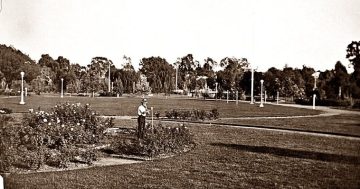
Wagga’s first electric lights were switched on in 1922. Photo: CSU Regional Archive.
The switch to electric lighting was not without a few glitches and blackouts and council was dogged by ratepayer complaints and further accusations of corruption as houses were steadily connected over the next few years.
An article from the Advertiser in August 1922 detailed the first major blackout as the plant blew a fuse and businesses were either plunged into darkness or illuminated by an extra bright burning of their lightbulbs. Many were forced to reignite their old gas lighting facilities, and the reporter noted that the comparison highlighted the value of the newfangled electric system.
“There was at least one satisfactory phase of the happening that impressed itself on the minds of many,” they concluded.
“The marked superiority of the electric light over the gas.”