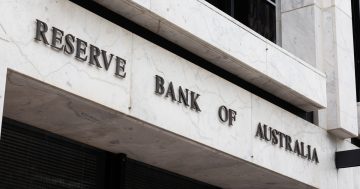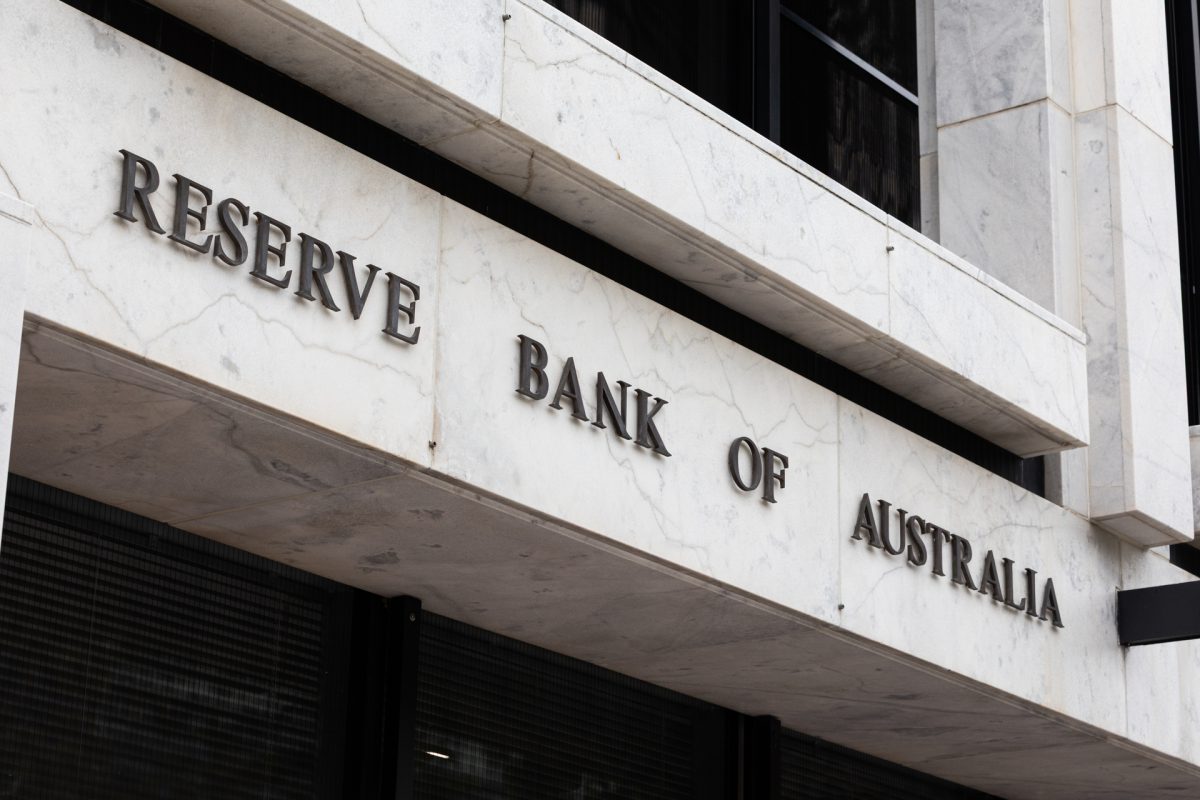
The Reserve Bank of Australia has lifted the official cash rate to 4.35 per cent. Photo: Michelle Kroll.
Official interest rates have been raised for the third consecutive month, with the Reserve Bank lifting them 25 basis points to 4.35 per cent on Tuesday (5 May).
The cash rate is now back where it was at the start of 2025, as inflation rises at its fastest pace since 2023.
The decision was made by a majority of the RBA board, with eight members voting to increase the cash rate target by 25 basis points to 4.35 per cent and one member voting to leave it unchanged at 4.10 per cent.
“As expected, developments in the Middle East are having an impact on inflation,” the RBA said in a statement.
“Higher fuel prices are adding to inflation, and there are indications that this is likely to have second-round effects on prices for goods and services more broadly.
“This inflation impulse is in addition to the high inflation recorded around the start of 2026, reflecting capacity pressures in the economy.
“In light of these considerations, the board assessed that inflation is likely to remain above target for some time and that the risks remain tilted to the upside, including to inflation expectations.
“It was therefore judged appropriate to increase the cash rate target.”
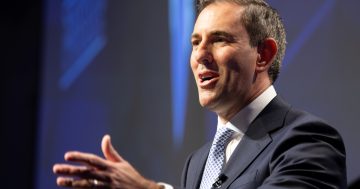
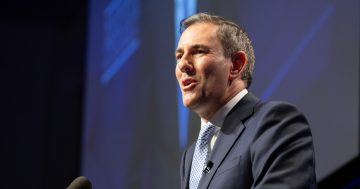
Responding to the news, Treasurer Jim Chalmers said it was clear that the Middle East war is the reason for Australia’s current inflation levels.
He said the Federal Government’s upcoming budget was not to blame.
“The RBA’s statement is clear that conflict in the Middle East is already adding to inflation,” Dr Chalmers said.
“While this decision was widely expected and widely anticipated, that doesn’t make it any easier.
“We understand that people are under pressure, which is why we’re rolling out responsible cost-of-living relief … I think that’s an important bit of perspective, as is the statement today, which does not reference public spending as a factor in the Reserve Bank’s decision to lift interest rates today.
“We intend to play a helpful role, not a harmful role, in the fight against inflation.”
Asked if he thought US President Trump was to blame for the rate rise, the Treasurer said Australians were “hostage” to the Middle East conflict.
“I think that’s self-evident from an economic point of view,” he said.
“The Australian economy is getting absolutely pummeled by this war in the Middle East, and Australians are paying the price for that.
“And we’re seeing that again today with this interest rate decision … We have an inflation challenge in our economy, which is made worse by the war in the Middle East.
“We know that some of the costs and consequences of this conflict on the other side of the world are that Australians are paying more, particularly for fuel.”
Shadow Treasurer Tim Wilson, however, said it was obvious to him that the RBA is not confident the government can get inflation under control.
He said the interest rate rise is very much Labor’s doing.
“Australian households are paying the price because of Jim Chalmers’ active inflation agenda,” Mr Wilson said.
“The RBA has made it clear today in their statement that if the Iran conflict ended tomorrow, Australia would have an inflation problem.
“Australia had an inflation problem in the second half of last year. It has continued into this year, and that’s the basis that Australians are going to pay higher interest rates.”
RBA Governor Michele Bullock also faced the media shortly after the decision was announced and suggested there might be more interest rate rises on the way, but the board won’t be rushing to raise them next month.
“In many firms that are facing cost pressures, they’re looking to increase prices of their goods and services. If left unchecked, higher costs get embedded into price and wage setting decisions,” she said.
“These second round effects could lead to even higher and persistent inflation, and if so, would require even more tightening in monetary policy to get inflation under control … The board now judges the level of the cash rate to be a bit restrictive, which will help to address the risk that inflation will be higher and more persistent once the current price shock passes through the economy.
“This gives the board space to see how the conflict plays out and the response of Australian households and businesses to the shock.”
In its statement, the RBA board said it will pay close attention to developments in the global economy and financial markets, trends in domestic demand and the outlook for inflation and the labour market.
“Having raised the cash rate three times, monetary policy is well placed to respond to developments and the board is focused on its mandate to deliver price stability and full employment,” its statement said.
“It will do what it considers necessary to achieve that outcome.”
Original Article published by Chris Johnson on Region Canberra.