Doctors and nurses on the NSW South Coast will receive the Pfizer vaccine in Bega. Photo: Steven Cornfield.
The NSW Health Department is urging people to check that they and their families are fully vaccinated against measles following unprecedented detections of measles in the state.
In the past two months, 21 measles cases have been reported and several people with measles have visited public places such as healthcare facilities while unknowingly infectious.
That’s compared to a total of 37 cases for all of 2025, 18 cases in 2024 and 18 cases in total between 2020 and 2023.
All the cases have been reported in children aged five years and older.
Southern NSW Local Health District public health director Alison Nikitas said people should remain alert for symptoms, particularly if they had been at any of the listed exposure locations or recently travelled overseas where there are known, ongoing measles outbreaks.
“If symptoms develop and you’ve been at one of the locations listed on the website, please contact your doctor or health service,” she said.
“Call ahead to advise that you may have been exposed to measles so you can avoid spending time in waiting rooms with other patients.”
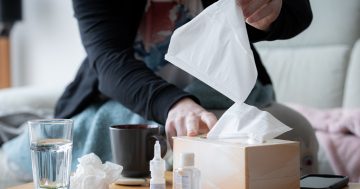
Early symptoms of measles include fever, runny nose, sore eyes and a cough. A red, blotchy rash typically appears three to four days later and spreads from the head down the body.
“Anyone who develops early symptoms and then a rash a few days later should consider measles a possibility, even if they haven’t visited a listed site, and arrange testing,” Ms Nikitas said.
“Symptoms can take up to 18 days to appear after exposure, so it’s important for people to monitor their health for this period.”
Ms Nikitas reminded the community to check their vaccination status, especially if planning to travel overseas, noting that timely vaccination could prevent disease.
“Measles vaccine can prevent illness even after exposure if given early enough,” she said.
“Anyone born after 1965 should ensure they have received two doses of measles vaccine. This is especially important for people travelling overseas, given measles outbreaks are occurring in several regions internationally.”
Countries experiencing ongoing measles outbreaks include Indonesia, Vietnam, Thailand and the Philippines.
The measles-mumps-rubella (MMR) vaccine is free in NSW for children at 12 and 18 months and for anyone born after 1965 who has not had two doses.
Children aged six to 12 months travelling overseas may receive an early dose and parents are encouraged to discuss this with their GP.
People who are unsure whether they have received two doses are encouraged to get vaccinated, as additional doses are safe. MMR vaccine is available from GPs (all ages) and pharmacies (people aged over five).
Up to a third of people with measles have complications and may require hospitalisation. Measles can cause serious complications, including pneumonia and encephalitis (swelling of the brain).
A full list of exposure sites in NSW is available here. There have also been cases reported in Victoria and the ACT.
Original Article published by Claire Fenwicke on About Regional.