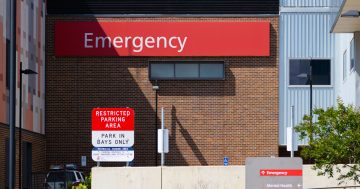


NSW emergency departments are experiencing increased pressure from unapproved peptide use. Photo: NSW Ambulance.
NSW Health has warned about the risks of using unapproved peptide products following rising emergency department presentations.
Surveillance data showed emergency department presentations related to peptide use increased from five in July 2025 to more than 217 in September 2026.
Peptides are short chains of amino acids, which occur naturally in the human body. The kinds that NSW Health and emergency departments are worried about are made in labs, and come in the form of supplements and injectables.
NSW Health stresses the importance of safe consultation with health professionals and ensuring that any medical product used is registered.
It states that individuals using unapproved peptide products should inform their medical practitioners of usage, in particular before surgery or other treatment.
“We know that using these unapproved substances can come with real health risks, but it’s particularly alarming to see the growing pressure they’re placing on our health system,” NSW Minister for Health Ryan Park said.
“I’m urging the community to be mindful of the potential long-term harms of unprescribed peptides, and speak with their GP for safe, evidence-based health advice.”
Earlier this year, a health alert associated with unapproved peptides was issued in Victoria.
In August the Therapeutic Goods Administration (TGA) and NSW Police allegedly seized more than $120,000 worth of illicit peptide and anabolic steroid products in NSW from a social media influencer.
The individual had allegedly advertised and sold the unapproved peptides through their social media.
Fake and counterfeit peptide products are frequently sold online, with a potential to pose serious health concerns to users.
The TGA has issued several safety warnings throughout 2026 on the dangers of peptide use.
Unapproved peptide use is partially attributed to a desire for wellness, according to NSW Health.
Social media marketing emphasises the products’ claimed ability for weight loss, injury repair, improved sleep quality, and more.
But a social media claim doesn’t equate to legitimacy, NSW Health Chief Health Officer Dr Kerry Chant said.
“A professional looking website, a label, purity claim, reviews, or influencer endorsement is not proof of what is inside the product,” she said.
“We encourage people to discuss the risks, benefits and safer alternatives to products they see advertised with their usual general practitioner or qualified healthcare provider.”
Original Article published by Sarah McCrea on About Regional.