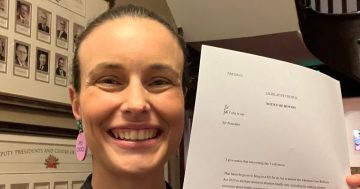
Barnaby Joyce addressed an anti-abortion rally outside NSW Parliament while the bill was being debated. Photo: Barnaby Joyce Facebook.
A controversial bill to ban sex-selective abortions in NSW has won support from MPs across the political spectrum, raising concerns among pro-choice advocates that the legislation could unexpectedly become law and “wind back access” to pregnancy termination.
The bill, introduced by Libertarian MLC John Ruddick, would make it a criminal offence for medical practitioners to perform, arrange or assist with an abortion carried out for the purpose of selecting the sex of a baby. Doctors could face fines of up to $22,000 and up to five years in prison under the proposed laws. The pregnant woman would not face criminal penalties.
Supporters argue the bill would stop discrimination against unborn girls and protect women from cultural and family pressure to terminate pregnancies. Opponents say there is little evidence the practice occurs in NSW and fear the laws would make doctors reluctant to provide any abortion services, particularly in rural areas like the Riverina.
Outside NSW Parliament, abortion rights and anti-abortion protesters clashed while the debate was taking place. One Nation federal MP Barnaby Joyce addressed the anti-abortion rally, telling them there was a need to “keep the fire burning”.
“This law in NSW must be passed or otherwise we all accept that sex selection is appropriate. Girls are not as good as boys,” he wrote on social media.
Supporters say there is need to protect women and girls
The bill sparked a fiery debate in the NSW Upper House this week, with MPs from Labor, the Liberals and the Crossbench expressing support for the proposal.
Labor MLC Stephen Lawrence said he believed sex-selective abortion was occurring, albeit in small numbers.
He said opponents who claimed it never happened were being “naive” and argued parliament needed to “draw a line in the sand” against the engineering of human characteristics.
“One day we will probably discover the gay gene and many other genes. Where will we draw the line in relation to those matters?” he said.
While backing the bill, Mr Lawrence flagged amendments that would reduce penalties and ensure women themselves could not be prosecuted.
Liberal MLC Rachel Merton also threw her support behind the proposal, describing NSW’s 2019 abortion decriminalisation laws as “one of the most egregious pieces of legislation ever to pass this parliament”.
She argued that sex-selective abortion was a form of discrimination and pointed to research she said suggested a preference for male children in some communities.
“The bill pushes back against the undermining of the rights of females, both born and unborn,” she said.
Independent MLC Rod Roberts delivered perhaps the most emotive speech of the debate.
“The people who paid for that mistake were baby girls,” he said, referring to parliament’s decision not to adopt a similar prohibition during abortion law reform debates in 2019.
“A girl should not be killed in the womb simply for being a girl.”
Mr Roberts said the legislation was not really about abortion, but about preventing discrimination based on sex.

The group Abolish Abortion Australia were at NSW Parliament in large numbers. Photo: Abolish Abortion Australia.
Opponents fear law would restrict access to all abortion
Leading the opposition was Albury Greens MP Dr Amanda Cohn, who has become one of the bill’s most vocal critics.
Dr Cohn argued there was little evidence sex-selective abortion was occurring in NSW and accused supporters of using the issue as a vehicle to restrict abortion access more broadly.
“Criminalising sex‑selective abortion harms women,” she said.
“It restricts access to health care, subjects women to racial and cultural profiling, and turns doctors into police.”
She described the bill as part of “an organised campaign to wind back access to abortion” and compared it to strategies used by anti-abortion activists in the United States. She also accused campaigners of spreading misinformation, citing an incident in which images promoted as aborted human foetuses were later identified as baby sugar gliders.
Labor MLC Emily Suvaal also opposed the bill, warning it could have unintended consequences for women’s healthcare.
She argued the legislation would create legal uncertainty for doctors and could discourage practitioners from providing abortion services, particularly in regional areas where access was already limited.

The bill’s opponents were also protesting outside NSW Parliament. Photo: Abolish Abortion Australia.
Tight vote expected as debate continues
Sydney independent MP Alex Greenwich, a leading advocate for abortion law reform, has warned the vote is likely to be close.
Dr Cohn has urged abortion rights supporters to write to their MP.
“Every MP who has spoken on the bill so far has been consistent with their previous voting record on abortion,” she told Region.
“There are Labor, Liberal, and independent MPs on both sides of this debate. For the Greens, this is a matter of health policy that shouldn’t depend on the personal or religious views of individual MPs.”
Anti-abortion campaigner Dr Joanna Howe has urged her supporters to write to National Party MPs – warning that they could lose their seats to One Nation at the next NSW state election in March 2027 if they side with the “radical left” and oppose the bill.
With Labor and Coalition MPs granted a conscience vote rather than a party position, the outcome remains uncertain. The debate in the Upper House will continue next week. If the bill is passed, it will move to the Legislative Assembly, where another conscience vote would determine whether it becomes law.