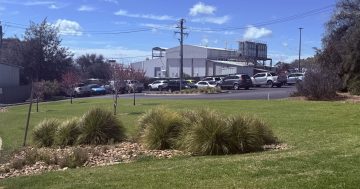


Bomen’s concentration of industrial facilities, fuel infrastructure, gas networks and chemical operations presents potential risk, argues Peter Davis. Photo: Robert Myers.
The odour that swept across Wagga’s northern suburbs on 27 September, prompting a flood of calls to triple zero, should spark an urgent examination of the city’s emergency warning systems and preparedness for a major industrial incident.
I have spent significant periods working in emergency service forward command centres and on the frontline during the 2019–20 bushfires. I know what it is like when an incident moves faster than the information coming into the room.
You don’t always have all the answers or perfect information. What you need is a system that allows people to make decisions quickly and communicate them to the public when it matters.
That is why the North Wagga odour incident concerns me.
The question isn’t simply what caused the smell. It’s what happens when something similar occurs and the threat is genuinely dangerous.
Can authorities recognise the risk, make the right decisions and warn the community quickly enough?
Residents reported headaches, nausea, irritation and breathing difficulties. Those reports do not prove the odour caused the symptoms, but they underline why people need clear information about what is known, what isn’t known and what they should do.
That is basic emergency communication.
Bomen is a major economic engine for the Riverina, but its concentration of industrial facilities, fuel infrastructure, gas networks and chemical operations also presents potential risks.
A serious industrial fire, toxic release or hazardous material incident could involve Fire and Rescue NSW, police, ambulance, council, environmental authorities and health services. Those agencies need to know how they will work together before an emergency unfolds.
The hard work is supposed to happen beforehand.
So here is a straightforward question: when did Wagga’s emergency services and relevant agencies last rehearse a combined response to a major industrial incident at Bomen, including hazardous materials response, evacuation, public warnings and multiagency command?
If no such exercise has occurred recently, the community deserves to know why.
We should already know who is responsible for assessing a threat, who has the authority to issue a warning, what triggers that warning and how quickly it can reach people at risk.
Who makes the call? What is the trigger? How quickly can the warning go out? Does everyone involved understand their responsibilities?
These are not hypothetical administrative details. They could determine whether residents have enough time to protect themselves.
During the 2019–20 bushfires, I saw how quickly circumstances can change. An incident that looks manageable can look very different an hour later. Authorities cannot always wait for absolute certainty before considering what the public needs to know.
That doesn’t mean issuing an emergency alert every time someone reports an unusual smell. It means having clear thresholds for when an incident becomes a potential public safety threat, and making sure those responsible know when and how to act.
As we head towards another fire season, the stakes are even clearer.
Imagine a grass fire threatening Bomen’s industrial infrastructure, with strong or shifting winds carrying smoke or hazardous combustion products towards nearby homes and workplaces.
Now imagine residents trying to work out what is happening through Facebook, calls to friends or triple zero because they have received no clear information.
That is a situation we should be doing everything possible to avoid.
The North Wagga odour incident is an opportunity to examine what happened, not to point fingers, but to establish whether the warning and communication arrangements worked as they should.
The smell may ultimately prove to have been an unpleasant but limited incident. That does not make the questions it raises any less important.
We have experienced emergency personnel and established warning technology. But neither is enough without clear procedures, effective coordination and people prepared to make difficult decisions under pressure.
We should establish whether those arrangements are fit for purpose now, while there is time to address any shortcomings.
If Bomen has a major incident, will Wagga be warned?
More importantly, will the warning come in time?