

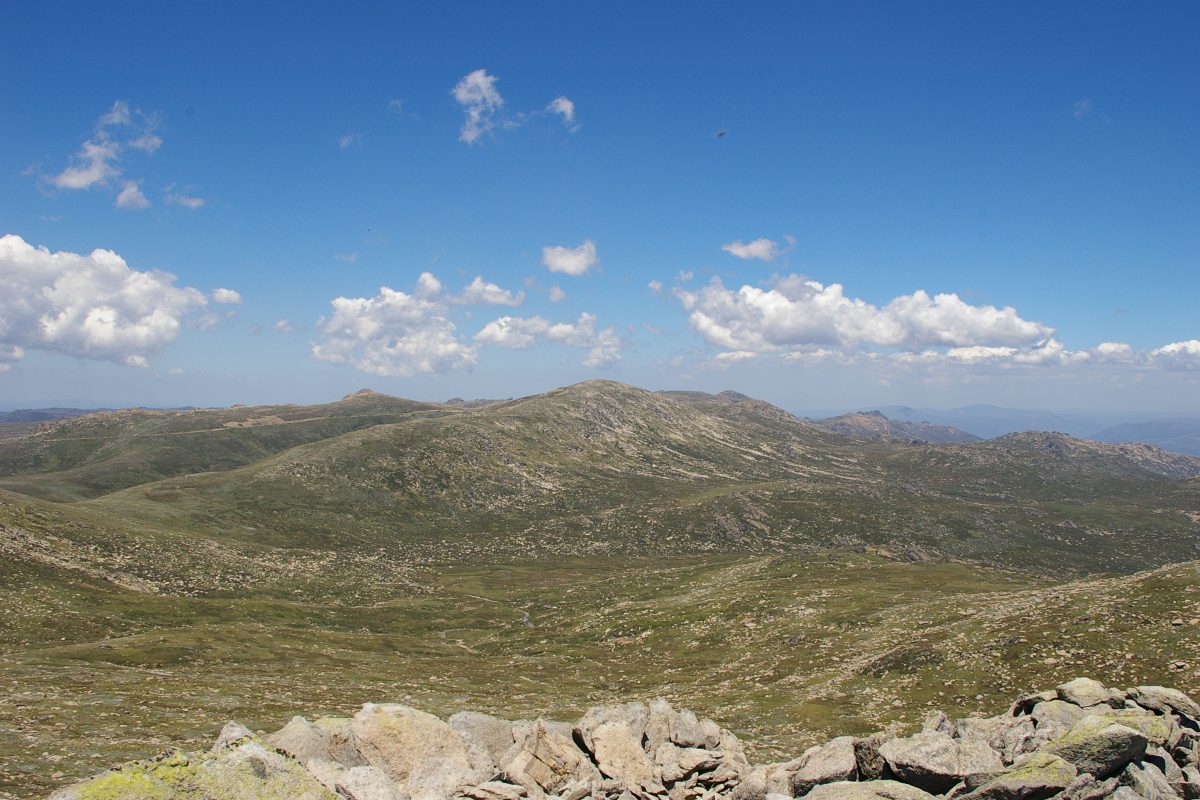
Stephen Lake sought information on a man found at Mt Kosciuszko. Photo: Wikipedia.
A deaf man who claimed NSW Police discriminated against him by making him contact them by phone and refusing to provide him with information has had his complaint dismissed by the NSW Civil and Administrative Tribunal (NCAT).
Stephen Lake, who lives in Melbourne, wrote to NSW Police to request information about Victorian hiker Hadi Nazari a week after the missing bushwalker was found in Kosciuszko National Park, having survived 13 days lost in the wilderness in January 2025.
According to the published NCAT judgement, Mr Lake said he was an experienced bushwalker who wanted to know where Mr Nazari had travelled and where he was eventually found.
In response, NSW Police wrote back to Mr Lake telling him he would need to discuss his enquiry directly with an officer at his nearest police station.
“When calling this station, please listen for the option to talk to an officer at the station (not general enquiries),” the Police Customer Assistance Unit wrote.
Mr Lake responded: “I’m in Melbourne and am deaf, cannot use a phone. Further, it’s a lot simpler to read the map information and reply in an email. Finally, I do not know which station to contact. It may be Thredbo, Khancoban, Cooma, or Search and Rescue.”
NSW Police did not respond at the time. It later emerged that his enquiry had been forwarded internally to Riverina Police District, which covers Khancoban Police Station, although Mr Lake was not told this at the time.
Mr Lake followed up seeking a response in February 2025. Police replied, advising him to visit his local police station or contact Crime Stoppers.
The Victorian man then made a complaint to Anti-Discrimination NSW, claiming he was discriminated against because police required him to communicate by phone despite knowing he was deaf, and refused to provide the information he was seeking or accommodate his disability.
Anti-Discrimination NSW dismissed the complaint, saying there was no evidence NSW Police had discriminated against Mr Lake. The agency noted he had been given online links and an option to make reports online.
The matter was then referred to NCAT, which refused to allow the complaint to proceed.
The tribunal said it did not have the legal power to decide the case because Mr Lake lives in Victoria and NSW Police is a NSW Government body. This meant the case fell under federal jurisdiction, which NCAT is not permitted to hear under High Court rulings.
The tribunal said that reason alone was sufficient to stop the case.
However, NCAT also found that even if it did have the power, the complaint would still fail. It said Mr Lake’s complaint “lacked substance” and there was no evidence NSW Police refused him a service or treated him worse than a hearing person.
NCAT found police provided several ways for members of the public to make contact, including online and written options, and did not require Mr Lake to communicate by phone.
The tribunal also noted that the information Mr Lake was seeking — details of a past police search operation — is not usually released to the public informally and is normally accessed through a freedom of information (GIPA) process.
NCAT further noted that a Riverina Police officer wrote to Mr Lake in July 2025, expressing gratitude and acknowledging the value of his enquiry.











Feline owners should be more responsible for their cats. Maybe the owners should be fined for… View