

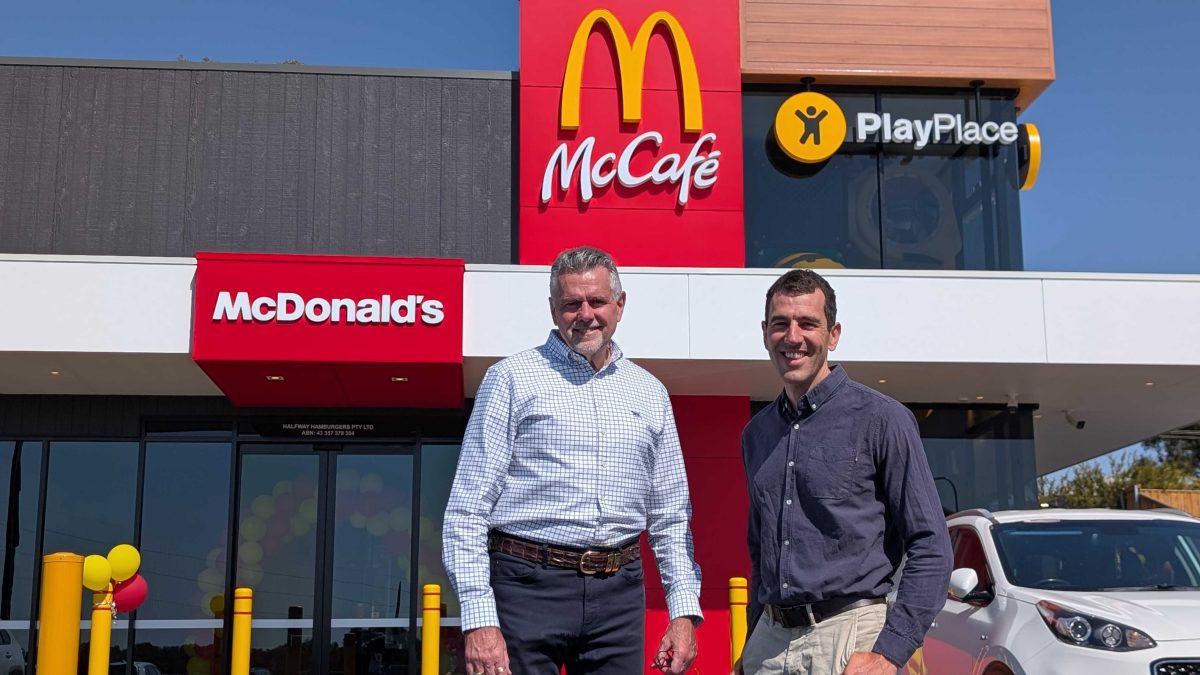
Griffith farmer Ben Parle (right) provides the pickles to more than 1000 McDonald’s restaurants across the country, including the new store at Boorooma, owned and run by Tony Aichinger (left). Photo: Jarryd Rowley.
To pickle or not to pickle?
That is the question many ask when ordering a cheeseburger from Maccas. While the debate goes on, many may overlook the process of getting such simple fruit onto such an iconic burger.
Pickle lovers around the country can thank Ben Parle and his family for farming and providing the cucumber to every McDonald’s restaurant in Australia for more than 35 years.
The Parle Family Farm has been operating out of Griffith since 1990 and has been the sole pickle supplier for the Golden Arches for as long as they’ve been operating.
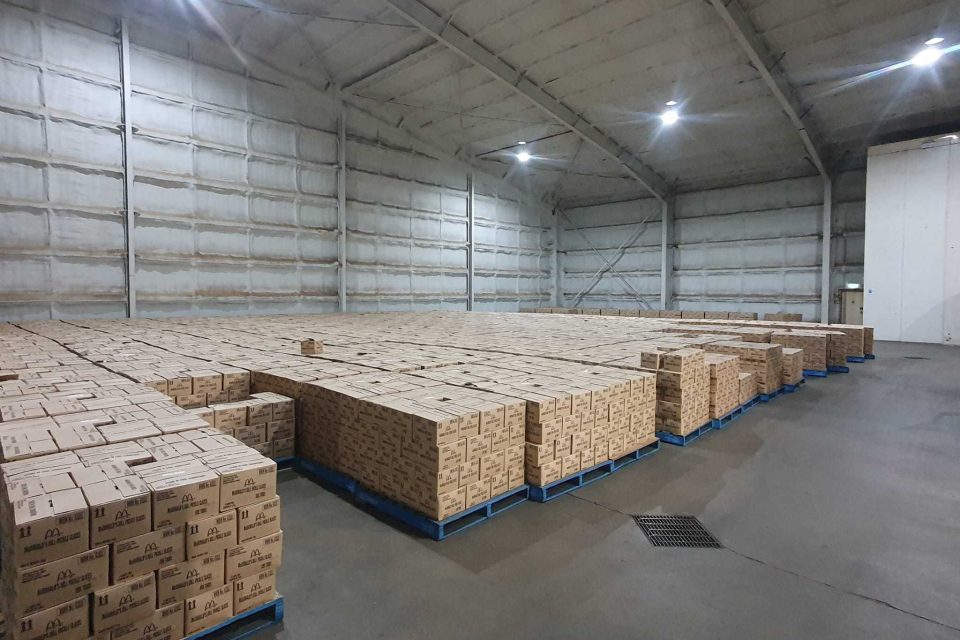
The farm produces upwards of 2 million kilos of pickles each year, which are split among more than 1000 McDonald’s restaurants across the country.
“My parents started a pickle business in 1990 – the year I was born,” Mr Parle said.
“Every pickle from Wagga to Darwin comes from our little farm in Griffith and nowhere else.
“It’s a lot of hard work reaching the demand of so many stores around Australia. But there’s nothing better than seeing your product go from seed to store knowing that it’s feeding millions of hungry Aussies.”
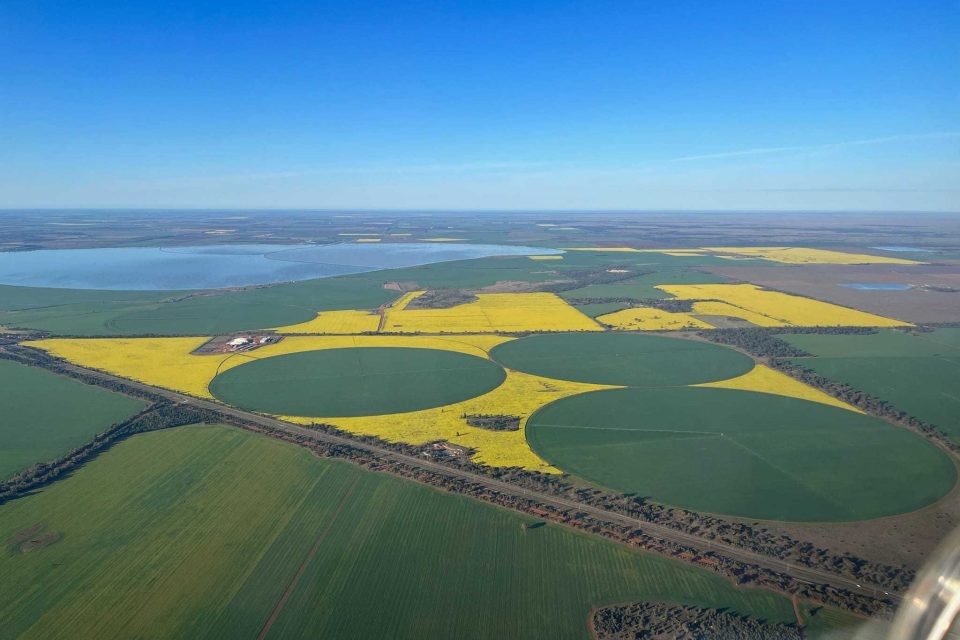
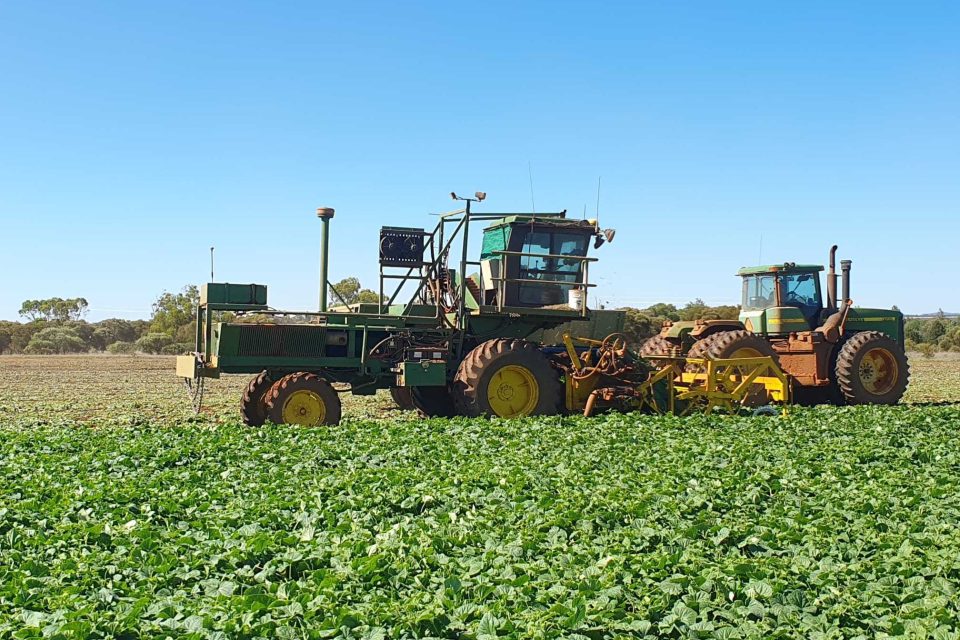
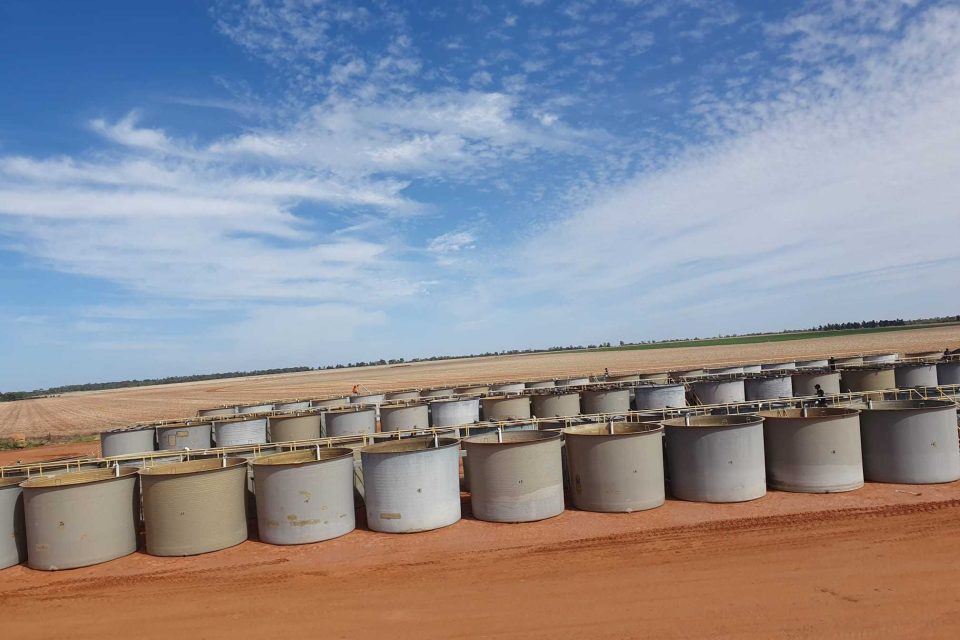
Mr Parle explained the process of pickle production, from seed to when they are finally placed on a burger.
“We begin the process of farming them between January and April every year. Around this time of year, we plant the seeds, set up the irrigation and the fertiliser and manage that all the way through to harvest.
“We use our own custom-made harvesters because they’re not the typical machines that you can buy off the shelf.
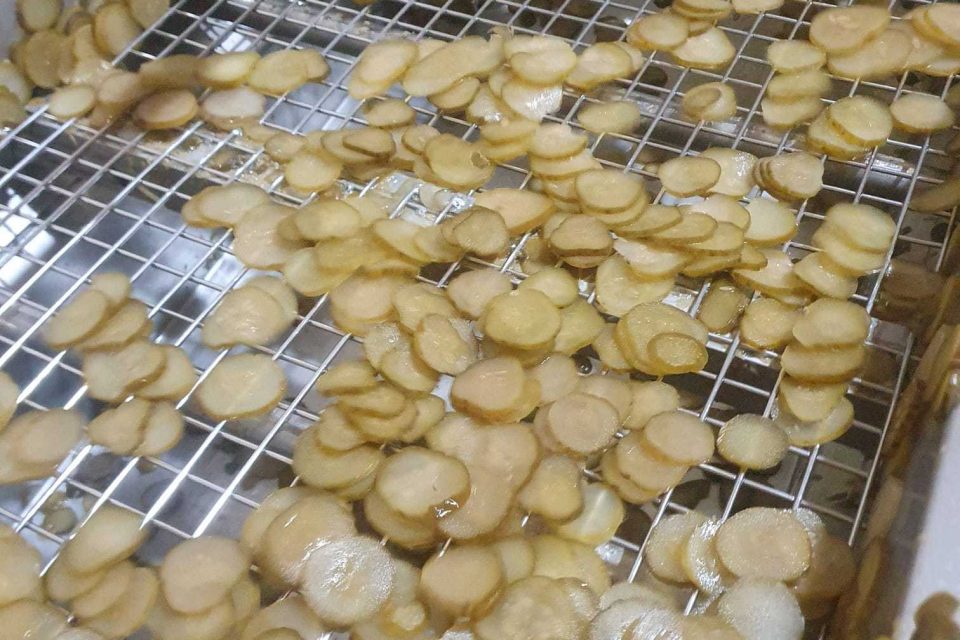
“We then grade the size to suit the specs McDonald’s asks for. We then ferment them, because when they’re grown, they’re a fresh cucumber.
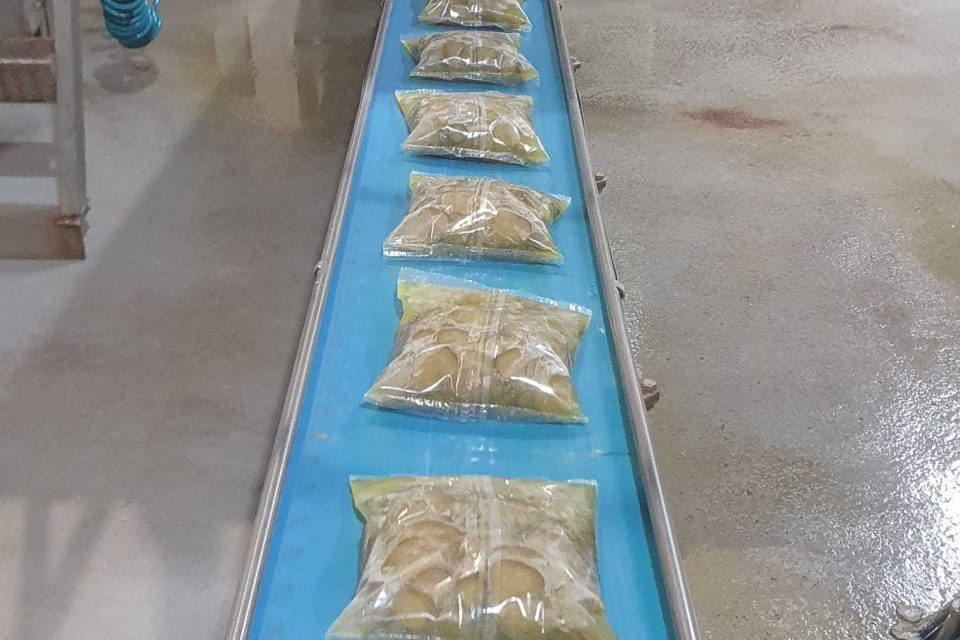
“They become pickles once they’re put in these giant tanks filled with salt and are left there for a period of four to six weeks. Throughout the year, we remove them from the tanks and process them to deliver to the store that needs them.”
Mr Parle said that while he was the sole provider of pickles to the fast food giant, many other Riverina farmers also provided produce to McDonald’s.
“It might be cliche to say that the Riverina is the foodbowl of Australia, but it’s true,” Mr Parle said.
“All you need to do is take one look at the McDonald’s supply chain, and you’ll see prime examples of just how many products come from this area of Australia.
“There are growers who grow the wheat that ends up in the bread, as well as oil used for the fryers.
“McDonald’s really prioritise local supply chains, and I think that conversation can sometimes get lost when we think of chains like McDonald’s.”
Mr Parle acknowledged that not everyone was a fan of having pickles on their burgers.
However, when asked if he kept his signature pickle on a Macca’s cheeseburger, he said he’d be silly not to.
“I always go for a Big Mac with extra pickles,” he said.
“I enjoy the tanginess of them. Besides, I would feel awful if I didn’t. Pickles are such a big part of our farm.”